


Show sympathy, listen and validate the person’s emotions. Demonstrate that you care by reaching out to them with genuine interest in their journey, assuring they know it is acceptable not to feel okay. Provide emotional assistance when needed. Be there for them through conversation or physical gesture such as a hug or holding hands—anything that expresses your love towards them. Offer practical help like providing meals or helping around the house if possible.
How Home Health Aides Support Clients with Chronic Illness
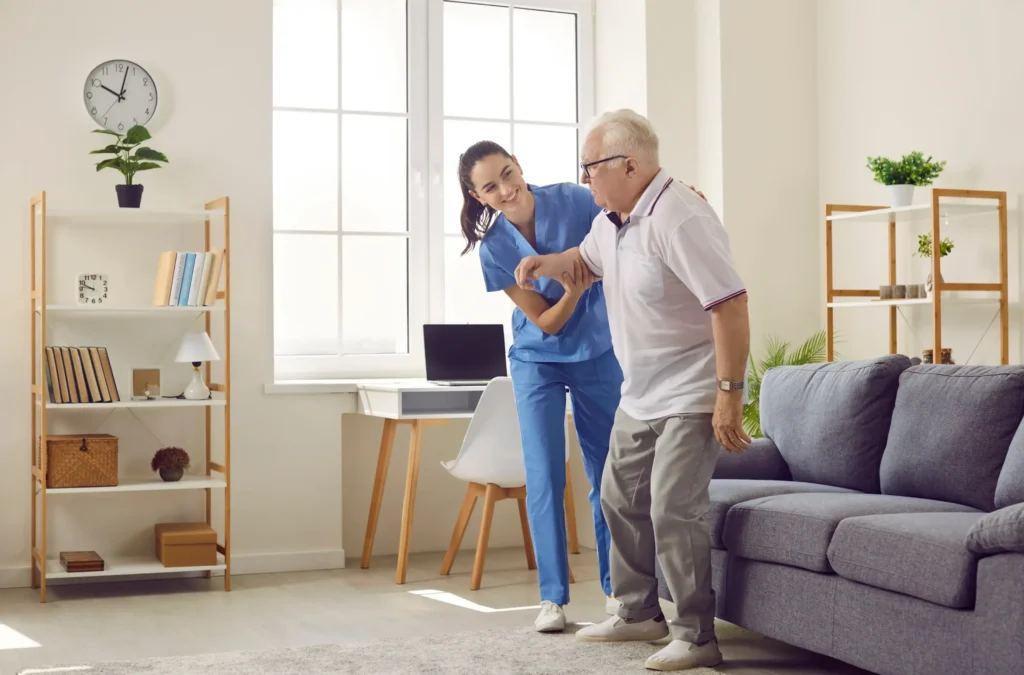 Living with a chronic illness can be challenging, but receiving the right support can make a world of difference. home care has emerged as a valuable resource for clients with chronic illnesses, offering tailored care plans and comprehensive support to maximize their quality of life. In this blog post, we’ll explore the essential role of home health aides and how does a home health aide help a client with chronic illness, the specialized care they provide for specific conditions, and the numerous benefits of home care for clients in New York.
Key Takeaways
- Home health aides in New York provide essential services to clients with chronic illnesses, such as symptom monitoring, medication management and daily activity support.
- Home health aides collaborate with healthcare professionals to ensure clients receive comprehensive care tailored to their individual needs.
- home care provides chronically ill individuals in New York enhanced quality of life, increased autonomy and the capacity to stay at home.
The Role of New York Home Health Aides in Chronic Illness Management
Home health aides play a vital role in helping people manage chronic illnesses. They track symptoms, support medication routines, and assist with daily tasks that allow clients to remain independent at home rather than moving into assisted living.
Monitoring Symptoms
By observing changes in a client’s condition, home health aides help healthcare providers make timely adjustments to care plans and prevent complications. Their presence ensures patients receive consistent, responsive support.
Medication Management
Aides help clients follow prescribed treatments and take medications correctly, reducing the risk of complications and unnecessary medical costs. This steady oversight promotes better health outcomes.
Support for Daily Activities
From cooking and bathing to light housekeeping, aides provide practical help that lets clients focus on managing their health instead of being overwhelmed by chores. This support fosters independence and improves quality of life.
Specialized Support for Chronic Conditions
Home health aides adapt care to specific illnesses:
Heart Disease: Assist with lifestyle changes, symptom tracking, and post-cardiac recovery.
Diabetes: Provide guidance on blood sugar management, medications, and healthy routines.
COPD: Support with daily tasks, symptom monitoring, medication use, and education to prevent flare-ups.
Emotional and Mental Health Support
Living with chronic illness can bring anxiety or depression. Home health aides offer companionship, recognize signs of distress, and can collaborate with mental health professionals to provide well-rounded care.
Coordinating with Healthcare Professionals
Home health aides are essential to providing comprehensive care and access to resources for those suffering from chronic illnesses. They communicate with nurses, doctors, and case managers, help schedule appointments, document medications, and even assist with transportation. This collaboration ensures clients receive consistent, accurate, and long-term care at home.
Family Caregiver Support
Aides not only care for clients but also support family caregivers. By handling daily tasks and offering companionship, they give loved ones a chance to rest and focus on their own needs. This relief helps prevent burnout while ensuring patients continue receiving quality care.
Importance of Customized Care Plans
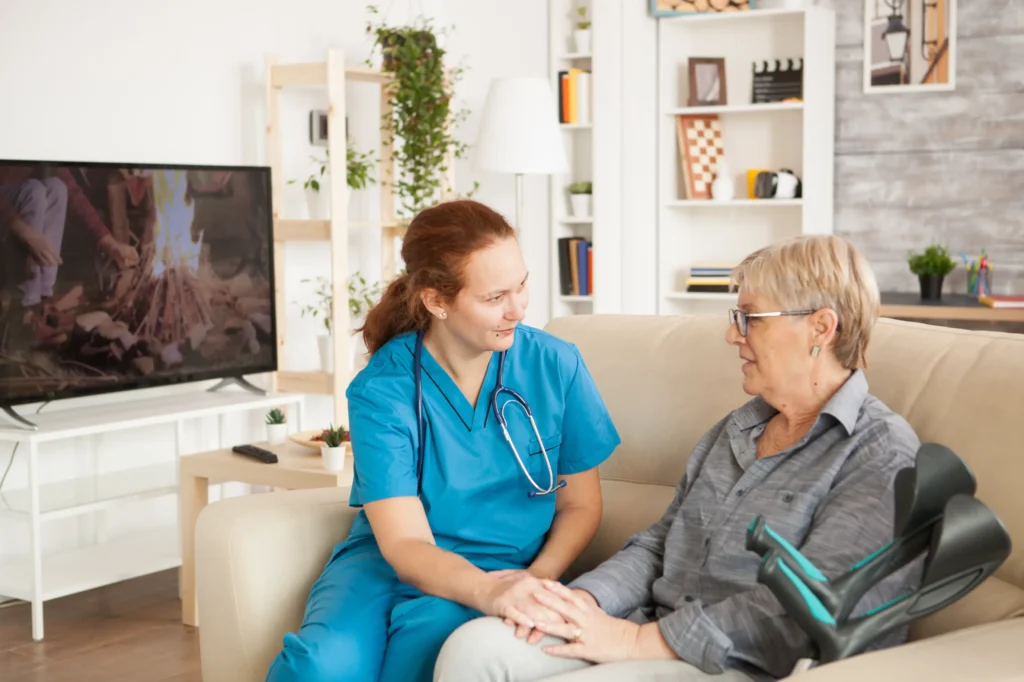 Personalized care plans help clients with chronic illnesses manage their health with dignity and independence. By tailoring treatments to individual needs and preferences, aides improve outcomes, reduce stress, and strengthen the relationship between patients and their healthcare providers.
The Benefits of home care for Chronically Ill Clients Living in New York
Home care offers invaluable advantages for people living with chronic illnesses—improving quality of life, preserving independence, and allowing them to remain in the comfort of their own homes.
With the support of home health aides, clients can manage symptoms, follow medication plans, and handle daily routines without feeling overwhelmed. This not only helps control illness more effectively but also fosters a healthier, more balanced lifestyle.
Beyond medical assistance, home care provides emotional security. Staying in a familiar environment promotes peace of mind and mental well-being, giving clients the freedom to live with dignity while receiving the support they need.
Summary
home care is an invaluable service for those suffering from chronic illnesses, providing personalized and tailored support to meet their specific needs. Home health aides carry out important duties such as tracking symptoms, administering medications appropriately, working in conjunction with medical personnel and lending emotional assistance. This type of home-based care helps enhance the quality of life for these individuals living with a long term disease. Thus we must give recognition to the role that home health professionals play in aiding people afflicted by chronic conditions together with their families.
Frequently Asked Questions

Schedule Online Now!
"*" indicates required fields

© Copyright 2026 Parent Care. All rights reserved.
